
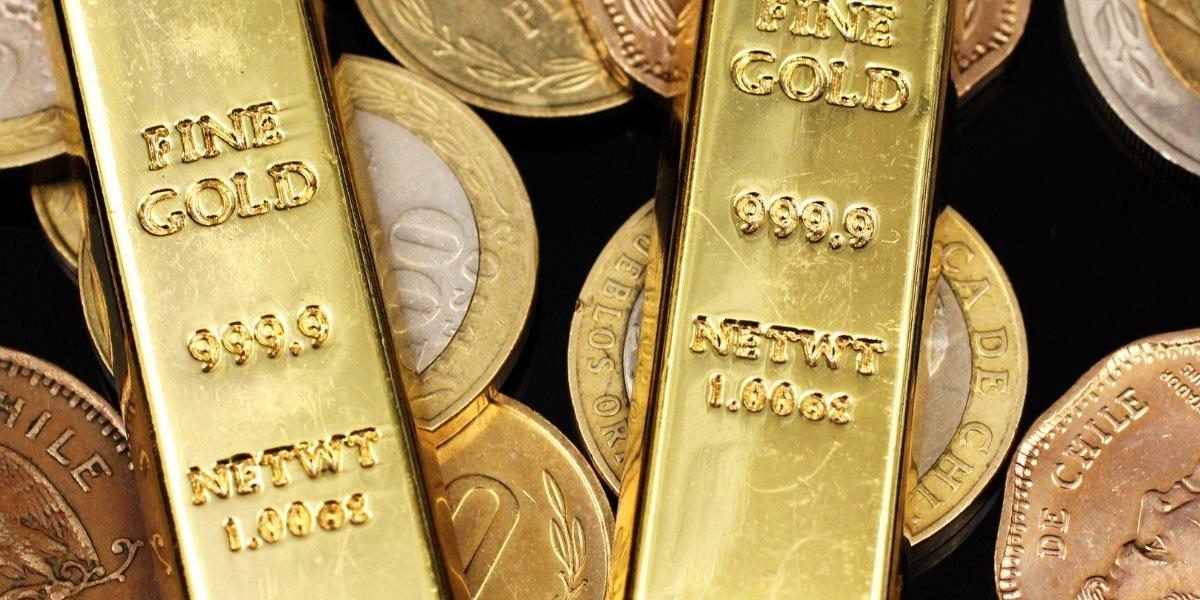
Insuring Precious Metals as Valuable Personal Property
For high-value homeowners and high net worth individuals, protecting valuable personal property, such as precious metals, is crucial for preserving wealth and ensuring a diversified portfolio.
Gold, silver, platinum, and palladium are tangible assets that appreciate over time but require specialized insurance coverage to safeguard their value.
At High Value Home Insurance Group, we understand the unique needs of our clients and offer comprehensive solutions to insure these precious commodities.
This blog will explore the world of precious metals as valuable personal property, discussing their appeal as investments and the importance of specialized valuable personal property coverage options.
We’ll massage into the types of precious metals worth insuring, factors affecting coverage, and specialized insurance options available to high-value homeowners and high net worth individuals.
Together we’ll guide you through the process of protecting your wealth and securing your financial future with the right insurance partner.
Why Precious Metals Matter
Precious metals have long been regarded as a safe haven for investors, particularly during times of economic uncertainty.
Precious metals, such as gold, silver, platinum, and palladium, have been valued for centuries due to their durability, rarity, and potential for appreciation.
For high-value homeowners and high net worth individuals, incorporating precious metals into their investment portfolio can provide numerous benefits, including:
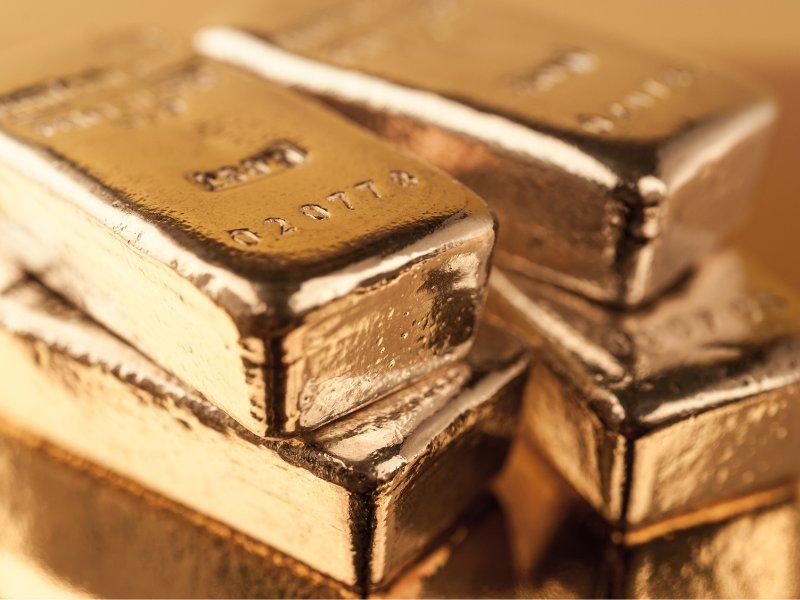
One of the primary reasons to invest in precious metals is their ability to preserve wealth over time.
Unlike fiat currencies, which can be subject to inflation and devaluation, precious metals have intrinsic value that has remained relatively stable throughout history.
This makes them an attractive option for those looking to protect their assets and maintain their purchasing power in the long term.
Diversification is a key principle of investing, and precious metals can play a significant role in achieving a well-balanced portfolio.
By allocating a portion of their assets to precious metals, high net worth individuals can reduce their overall risk exposure and potentially improve their risk-adjusted returns.
This is because precious metals often have a low or negative correlation with other asset classes, such as stocks and bonds, which means they may perform well when other investments are struggling.
The financial markets can be unpredictable, and geopolitical events, economic crises, and other factors can lead to significant volatility.
During these turbulent times, precious metals tend to shine.
Investors often flock to gold, silver, and other precious metals as a safe haven, driving up their prices and providing a buffer against market downturns.
For high-value homeowners and high net worth individuals, holding precious metals can help mitigate the impact of market volatility on their overall wealth.
Unlike many other investments, precious metals are tangible assets that you can hold in your hand.
This physical nature provides a sense of security and peace of mind, knowing that your wealth is stored in a real, valuable object.
Additionally, precious metals are highly portable, making them easy to store and transport if needed.
This can be particularly appealing for high net worth individuals who may need to move their assets quickly or discreetly.
While precious metals are primarily viewed as a means of preserving wealth, they also have the potential for appreciation over time.
The value of gold, silver, platinum, and palladium can fluctuate based on various factors, including supply and demand, economic conditions, and investor sentiment.
By strategically investing in precious metals and timing their purchases and sales, high net worth individuals may be able to generate profits and grow their wealth.
For some high net worth individuals, privacy and confidentiality are top priorities when it comes to their financial affairs.
Precious metals can offer a level of anonymity that other investments may not provide.
Transactions involving precious metals can often be conducted discreetly, without the need for extensive paperwork or public disclosures.
This can be particularly appealing for those who wish to keep their wealth and investment activities private.
Precious metals can also play a role in legacy planning for high net worth individuals and families.
By incorporating precious metals into their estate plans, investors can pass down tangible, valuable assets to future generations.
This can help preserve family wealth and provide a sense of financial security for years to come.
Additionally, some precious metals, such as rare coins or historical artifacts, may hold sentimental or collector’s value that can be cherished by future generations.
Precious Metals Worth Insuring
When it comes to insuring precious metals, it’s important to understand the various types of metals and the forms they can take.
Here’s a closer look at some of the most common precious metals worth insuring, including bullion:
Gold is perhaps the most well-known and sought-after precious metal.
Its timeless beauty, rarity, and historical significance have made it a popular choice for investors and collectors alike.
Gold can be found in various forms, including bullion bars, coins, and jewelry.
Gold bullion refers to gold that is at least 99.5% pure and has been refined and stamped into bars or coins.
These bullion products are typically produced by government mints or private refineries and are valued based on their gold content and weight.
Some popular gold bullion coins include American Gold Eagles, Canadian Gold Maple Leafs, and South African Krugerrands.
Insuring gold bullion is relatively straightforward, as the value is determined by the current market price of gold and the weight of the item.
However, it’s essential to keep accurate records and documentation of your gold bullion purchases and to work with an experienced insurance provider to ensure adequate coverage.
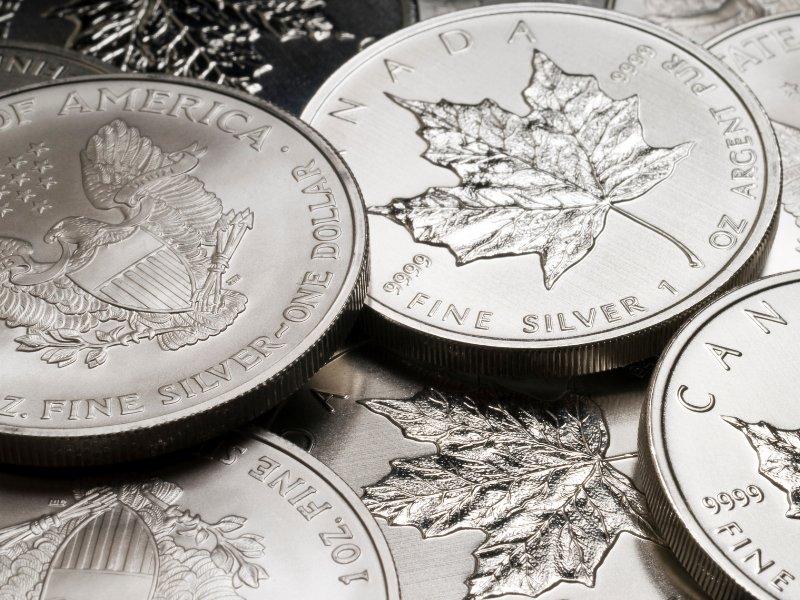
Silver is another popular precious metal that has been used as a store of value and a medium of exchange for centuries.
Like gold, silver can be found in bullion form, as well as in coins and jewelry.
Silver bullion is typically available as bars or rounds, with purity levels ranging from 99.9% to 99.99%.
Some well-known silver bullion products include American Silver Eagles, Canadian Silver Maple Leafs, and Austrian Silver Philharmonics.
When insuring silver bullion, it’s important to consider the purity and weight of the items, as well as the current market price of silver.
Keep in mind that silver tends to be more volatile than gold, so the value of your silver holdings may fluctuate more over time.
Platinum is a rare precious metal that is known for its durability and resistance to corrosion.
It is often used in industrial applications, such as catalytic converters, but is also popular in jewelry and as a bullion investment.
Platinum bullion is available in bars and coins, with purity levels typically ranging from 99.9% to 99.95%.
Some notable platinum bullion products include American Platinum Eagles and Canadian Platinum Maple Leafs.
When insuring platinum bullion, it’s essential to consider the purity, weight, and current market value of the items.
Platinum can be more expensive than gold or silver due to its rarity, so ensure your insurance coverage adequately reflects the value of your holdings.
Palladium is another rare precious metal that has gained popularity in recent years due to its use in industrial applications and as a bullion investment.
It is often used in catalytic converters, electronics, and dental alloys.
Palladium bullion is available in bars and coins, with purity levels typically ranging from 99.95% to 99.99%.
Some well-known palladium bullion products include Canadian Palladium Maple Leafs and Russian Ballerinas.
As with other precious metals, insuring palladium bullion requires consideration of the purity, weight, and current market value of the items.
Palladium prices can be volatile, so regularly reviewing your insurance coverage is important to ensure it keeps pace with changes in market value.
In addition to the more common precious metals mentioned above, there are several other metals that may be worth insuring, depending on your individual holdings and circumstances.
These can include:
Rhodium: A rare and valuable metal used in catalytic converters and jewelry.
Iridium: A hard, corrosion-resistant metal with industrial applications.
Osmium: The densest naturally occurring element, used in fountain pen nibs and electrical contacts.
Ruthenium: A rare metal used in electronics and chemical catalysts.
When insuring these less common precious metals, it’s crucial to work with an experienced appraiser and insurance provider who understands the unique characteristics and market factors that influence their value.
Proper documentation and regular appraisals can help ensure your holdings are adequately protected.
In addition to bullion, some investors and collectors may also have valuable collectible coins or numismatic items in their portfolios. These items can include rare historical coins, limited-edition mint sets, or coins with unique designs or errors.
Insuring collectible coins and numismatic items can be more complex than insuring bullion, as their value is often determined by factors beyond just their metal content. Rarity, condition, historical significance, and collector demand can all impact the value of these items.
When insuring collectible coins and numismatic items, it’s essential to work with a knowledgeable appraiser who specializes in these types of valuables. They can provide accurate valuations and help you document the specific characteristics that contribute to the item’s worth. This documentation can be invaluable when securing appropriate insurance coverage and in the event of a claim.
It’s also important to review your insurance coverage regularly, as the value of collectible coins and numismatic items can fluctuate based on market conditions and collector interest. By staying informed and proactive, you can help ensure your valuable collection remains adequately protected.
Limitations or Restrictions
When considering insurance for precious metals, it’s essential to be aware of certain factors that can influence coverage and premiums.
Here’s a more in-depth look at the key factors:
The value of your precious metals is one of the most significant factors in determining your insurance coverage and premiums.
High-value collections may require specialized policies or higher premiums to ensure adequate protection.
This is because insurers need to account for the potential cost of replacing or reimbursing you for these valuable items in the event of a covered loss.
When insuring high-value precious metals, it’s crucial to work with an experienced insurance provider who understands the unique risks and considerations involved.
They can help you navigate the complexities of insuring high-value items and develop a customized coverage plan that meets your specific needs.
It’s also important to regularly review and update your insurance coverage as the value of your precious metals collection changes over time.
Fluctuations in market prices, additions or subtractions to your collection, and other factors can impact the overall value and, consequently, your insurance requirements.
By staying proactive and informed, you can ensure that your valuable precious metals remain adequately protected.
The rarity of your precious metals can also impact your insurance coverage.
Rare or unique items, such as historical coins, limited-edition pieces, or one-of-a-kind creations, may require specialized insurance considerations.
Insuring rare precious metals can be more complex than insuring more common items, as the value of these pieces is often determined by factors beyond just their metal content.
The historical significance, artistic merit, and collector demand can all contribute to the overall value and, in turn, affect the insurance coverage required.
When insuring rare precious metals, it’s essential to work with an appraiser who has expertise in evaluating these unique items.
They can provide accurate valuations and help you document the specific characteristics and qualities that contribute to the piece’s rarity and value.
This documentation can be invaluable when securing appropriate insurance coverage and in the event of a claim.
Insurers may also require additional security measures or storage requirements for rare precious metals due to their heightened value and potential attractiveness to thieves.
By understanding the specific considerations surrounding the rarity of your precious metals, you can take steps to ensure they are properly protected.
The size of your precious metals collection is another factor that can impact your insurance needs.
Extensive collections may require additional policies, higher limits, or specialized coverage to fully protect the value of your holdings.
As your collection grows, it’s important to regularly reassess your insurance coverage to ensure it keeps pace with your expanding portfolio.
This may involve increasing your coverage limits, adding riders or endorsements to your existing policy, or exploring specialized insurance options designed for larger collections.
It’s also worth considering how you store and manage your collection as it grows.
Larger collections may benefit from professional storage solutions, such as secure vaults or third-party depositories, which can provide enhanced security and potentially lower insurance premiums.
By taking a proactive approach to managing and insuring your growing precious metals collection, you can help safeguard your wealth and ensure your assets are adequately protected
The location where you store your precious metals can also have a significant impact on your insurance coverage and premiums.
Different storage options, such as home safes, bank safe deposit boxes, or third-party storage facilities, each come with their own unique considerations and risks.
Storing precious metals at home can be convenient, but it may also increase the risk of theft or damage.
If you choose to keep your precious metals at home, your insurance provider may require certain security measures, such as a high-quality safe or alarm system, to mitigate these risks.
They may also limit the amount of coverage available for home-stored items or charge higher premiums to account for the increased risk.
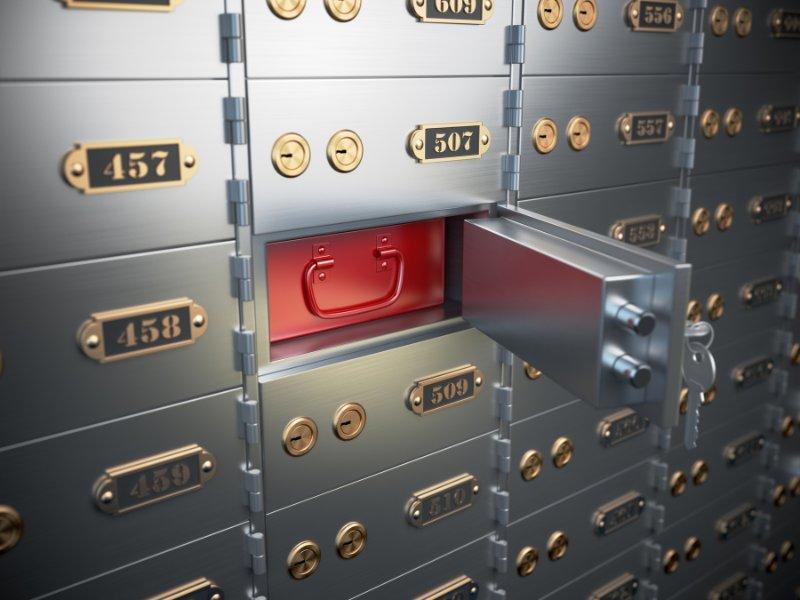
Bank safe deposit boxes can provide a secure alternative to home storage, but they also come with their own limitations.
Most bank deposit box agreements do not insure the contents of the box, meaning you would need to secure separate insurance coverage for your precious metals stored there.
Additionally, access to your items may be restricted to banking hours, which could be inconvenient if you need to retrieve your precious metals quickly.
Third-party storage facilities, such as precious metals depositories, can offer a high level of security and specialized insurance options.
These facilities are designed specifically for storing valuable assets and often feature state-of-the-art security systems, 24/7 monitoring, and comprehensive insurance coverage.
However, this level of protection and convenience may come with higher storage fees and minimum balance requirements.
Precious Metals Insurance Considerations
When insuring precious metals, it’s essential to understand the following:
Appraisals:
- Obtain accurate appraisals from qualified professionals to determine the value of your metals.
- This will ensure you have the appropriate level of coverage.
Coverage Options:
- Choose between replacement cost coverage, which replaces the item at its current market value, or actual cash value, which covers the depreciated value.
- For most high-value homeowners and high net worth individuals, replacement cost coverage is recommended.
Specialized Policies:
- Consider specialized insurance policies designed for precious metals, as they may offer broader coverage and lower premiums compared to standard homeowners insurance.
Safe Storage:
- Secure storage can help reduce the risk of theft or damage.
- Consider a home safe, bank safe deposit box, or third-party storage facility depending on your needs, value of your collection and you dwelling coverage.
Regular Reviews:
- Periodically review your insurance coverage with your agent to ensure it aligns with the current value of your metals and any changes in your collection.
Insurance and Specialized Coverage Options
All-risk coverage provides protection against a broad range of perils, including theft, loss, and damage.
This comprehensive coverage is often preferred by high-value homeowners and high net worth individuals.
Umbrella coverage may offer your unique needs an extra layer of protection in the event of exhausted limits.
Named peril coverage only covers specific perils listed in the policy.
While this coverage is more affordable, it may not provide the level of protection needed for valuable precious metals.
Theft coverage is crucial for precious metals, especially if they are stored at home.
Ensure your policy covers theft from a safe or vault and consider additional security measures to reduce the risk of theft.
Look for coverage that protects against accidental damage, such as fire, water, or natural disasters.
This will help ensure your precious metals are covered in the event of an unexpected incident.
Some policies offer coverage for loss due to mysterious disappearance or unexplained loss.
This is an additional valuable coverage that can provide added peace of mind for high-value homeowners and high net worth individuals.
Endorsements and riders are additional provisions that can be added to a standard insurance policy to provide more comprehensive coverage for specific risks or items.
For precious metals, some common endorsements and riders include:
Jewelry Appraisal Endorsement: This endorsement allows for coverage of jewelry based on a professional appraisal rather than the insured value, ensuring adequate protection for valuable pieces.
Antique and Collectible Endorsement: This endorsement provides coverage for antiques and collectibles, including precious metals that are part of these items. This is particularly relevant for trust and estate entities managing historical or rare assets.
Off-Premises Coverage: This endorsement extends coverage to precious metals while they are away from the insured premises, such as when they are being transported or worn. This is essential for high net worth individuals who may travel with their precious metals and seek a form of liability coverage.
Replacement Cost Endorsement: This endorsement ensures that precious metals are replaced at their current market value, rather than their depreciated value, providing the highest level of protection for your investment.
Scheduled Property Endorsement: This endorsement provides coverage for specific precious metals items, allowing for more tailored coverage and potentially lower premiums. This is ideal for high-value homeowners with extensive or diverse precious metals collections.
Invest in Peace of Mind for Your High Value Precious Metals
Precious metals, including gold, silver, platinum, and palladium, can be a valuable addition to the investment portfolio of high-value homeowners and high net worth individuals.
By understanding the benefits of precious metals, selecting the right items to insure, and working with a specialized insurance provider like High Value Home Insurance Group, you can protect your wealth and enjoy the potential rewards of this asset class.
Don’t leave your precious metals investments to chance.
Contact High Value Home Insurance Group today to discuss your unique high value home valuable possessions protection needs.
We will develop a comprehensive insurance plan tailored to your specific situation.
Our experienced professionals are ready to help you safeguard your wealth and provide the peace of mind you deserve.